
Blast-resistant modular buildings are becoming standard fixtures in petrochemical operations around the world, replacing traditional buildings at a lower cost and with a shorter construction time. But the technology is still new enough that we get a lot of questions on the specifics of incorporating these life-saving structures into operations. Most people are surprised at how simple it is. It begins with a site study.
Step one: Conduct a site study
 If you’re involved in petrochemical operations, you’re already familiar with this process; engineers help you determine the probabilities of blast events in various locations. They predict blast pressures, durations and paths including potential hazards for fire, toxic gases and flying debris for various locations.
Step two: Define your needs
Next you’ll define your operational needs for the various locations. Some will require human occupancy, and this is where blast protection planning begins, falling into one 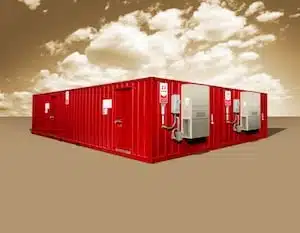 of two categories: temporary lease units (our LeaseFleet are easily movable “red boxes” that can be used for turnarounds, etc.) and permanent, purchased structures (ours are branded SafetySuites). Leased units can handle many needs, from guard shacks to office spaces, while custom units are even more flexible. SafetySuites allow you to develop a custom concept tailored to your operational requirements, aesthetic needs (executive offices usually have different interior design standards than decontamination facilities) and blast resistance ratings. This is the site concept. Steps three through six show the design-build approach used to manufacture SafetySuites that fit the concept.
Step three: Turn the concept into a design
From the concept outline, RedGuard develops a proposal containing specific floor plans, technical recommendations and interior amenities, also generating initial cost estimates. Your team evaluates this proposal, making revisions and articulating special requests. The plan evolves through a back and forth process that assures the right combination of form and function — with blast protection added. When all of your criteria are met, we apply an accurate price to the proposal and present it to you.
Step four: Perform structural drafting and analysis
Once you issue a purchase order, we draft structural plans for the blast-resistant buildings and send them to our engineers, who perform final blast protection analysis on all interior and structural components.
Step five: Begin factory construction/site preparation
Most of the construction of your blast-resistant buildings will take place at our facilities, which means your team can simultaneously prepare the site. While we’re fabricating structures, coating exteriors and finishing interiors, your team can pour concrete and set up gas, water, sewer, electrical and communications service. Once our quality inspections, testing and certifications are complete, the building is ready to deliver.
Step six: Take delivery
Blast-resistant buildings and modules are transported through normal shipping channels, and we’ll work with your team to make the delivery process fast and logistically efficient. Our service team will join blast-resistant building sections and “button up” interiors on site. After your team hooks up services, we’ll make sure everything is working well before handing over the keys.
Blast-resistant building construction is fast, simple, and can be lower in cost and more flexible than traditional building construction. In addition to doing a much better job of protecting personnel and resources, blast-resistant buildings simply make more sense.
{{cta(’28c4acb3-7fbf-4501-a547-b71cc858b415′,’justifycenter’)}}
